The original article suggested that professionals conceal simple secrets. A better introduction explains why poker decisions depend on context and why a successful player can still experience losing hands.
Strong cards are not invulnerable
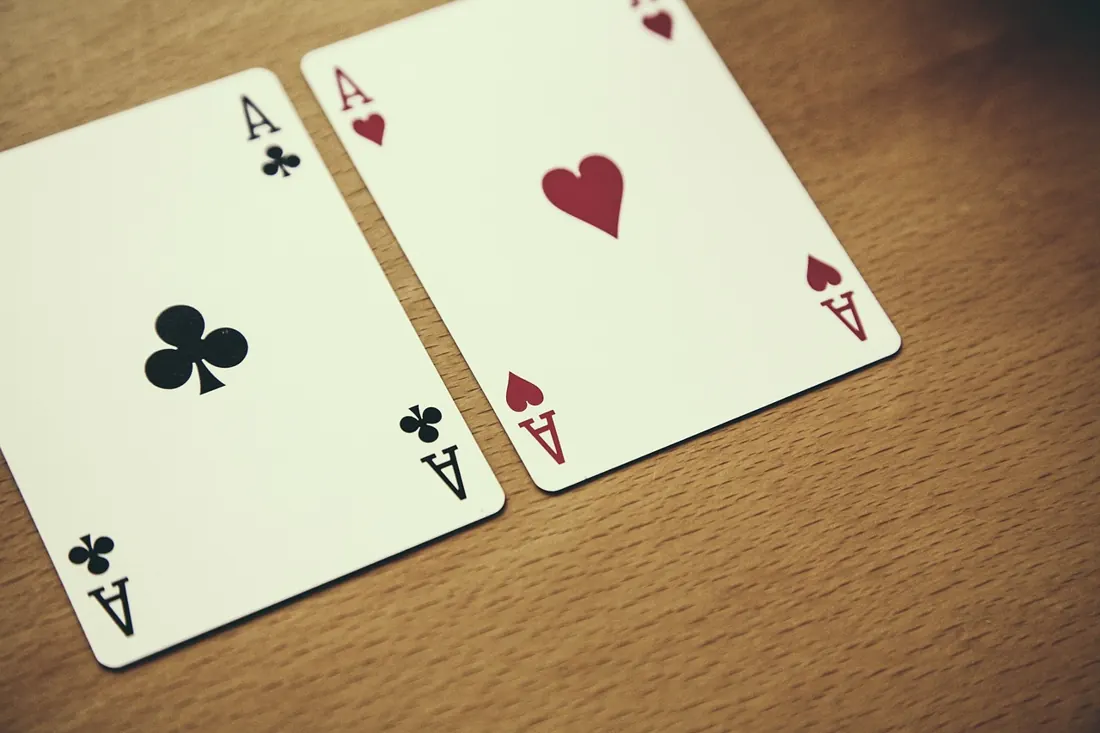
A high starting pair can lose after the board develops. That does not make strong starting cards meaningless, nor does it prove the deal was unfair. The value of a hand depends on the variant, the remaining possibilities and the action, not on a slogan about always playing one type of card.
Bluffing is not a personality test
A player does not bluff simply because they look confident or have won before. A bluff attempts to win without the strongest showdown hand, but its purpose and risk depend on the situation. Copying an isolated televised move removes much of that context.
Leave room for variance
Short runs can flatter weak decisions and punish well-explained ones. A losing streak is not proof that a hidden secret is missing. This archive revision removes claims that experienced players win continuously or that emotional certainty reveals another player's cards.