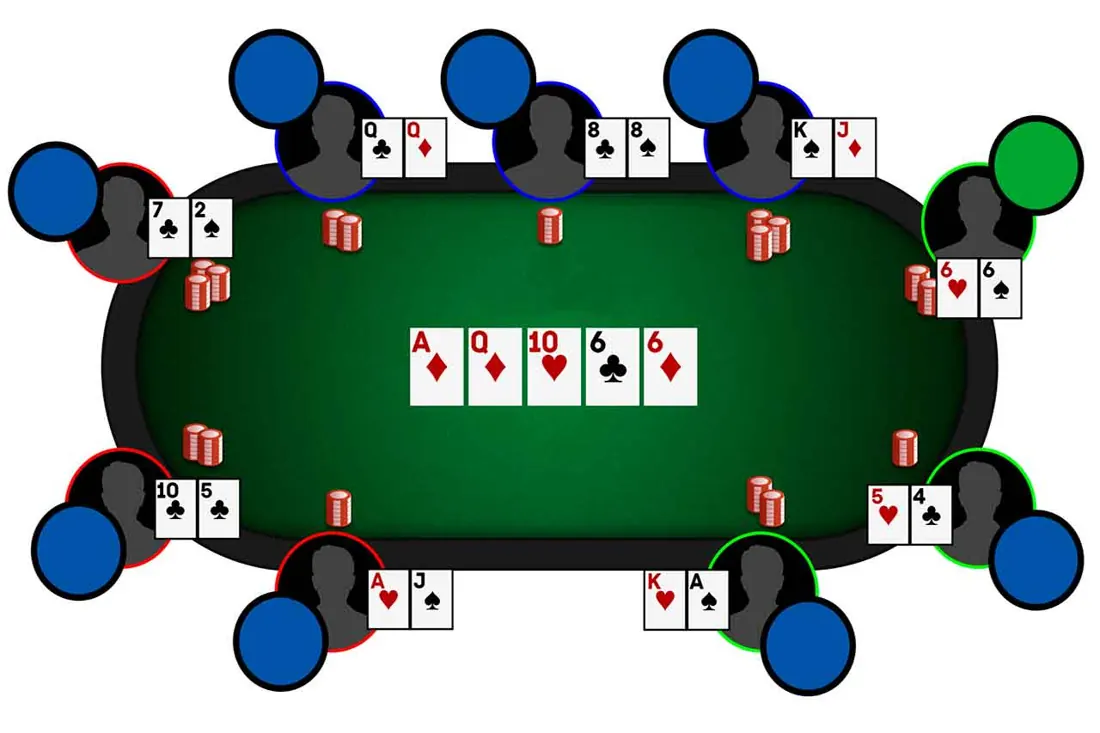
The old article combined several useful learning habits with promises about performance and profit. This revision focuses on how to review a hand without turning that review into a guarantee.
Record the situation clearly
A hand review needs the variant, positions, action sequence and relevant stack sizes. Without those details, a statement such as always raise or never fold is too broad to assess. The purpose of recording the situation is to explain the question rather than discover a universal command.
Separate concentration from prediction
Fatigue, distraction and alcohol can make it harder to follow what is happening. Removing distractions can improve attention, but attention does not reveal an opponent's hidden cards. Taking a break is a way to stop participation, not a device that changes the next deal.
Avoid outcome-based stories
One bluff succeeding does not prove it was well chosen, and losing a hand does not prove every preceding decision was wrong. Compare the reasoning with the information available before the result. This archive entry supplies no promised win rate or claim that a short list of habits makes someone a professional player.