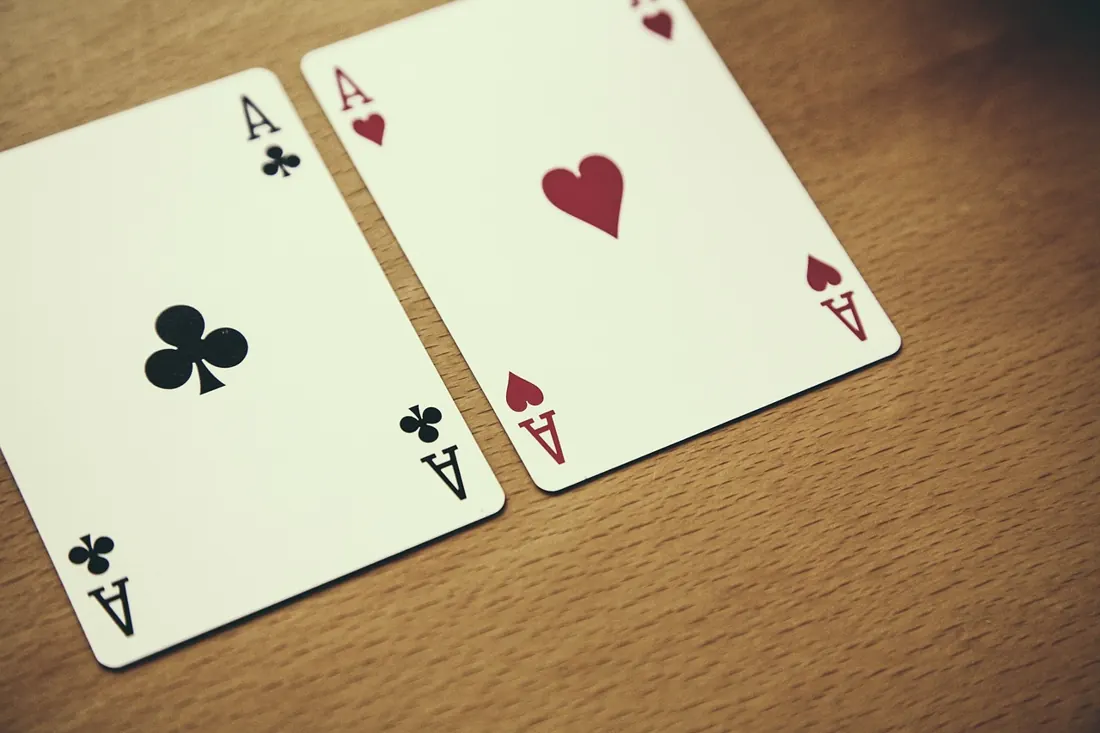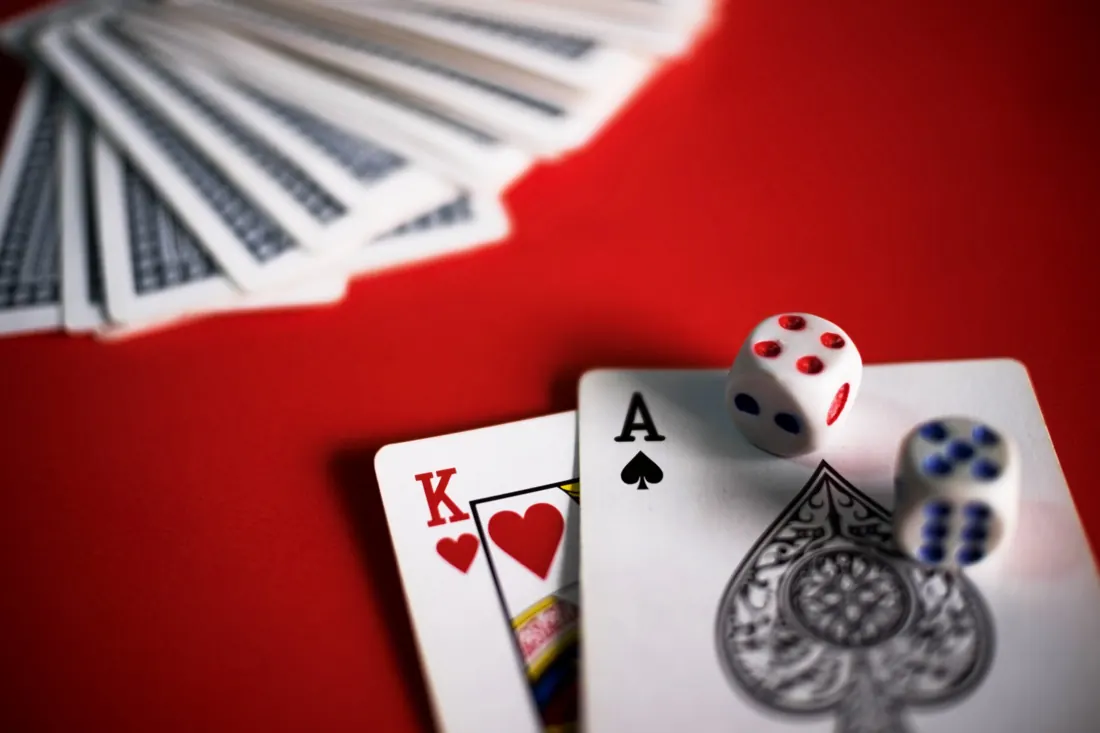
Poker language becomes easier when the order of a hand is clear. The terms below describe standard Texas Hold'em; other poker variants can use a different structure.
Cards and the pot
A hand can mean the cards a player holds or one complete deal. In Hold'em, each player receives two private cards and can combine them with the community cards to form a five-card hand. The pot contains the chips committed during that deal. A showdown compares the remaining hands, although a pot can also end when everyone but one player folds.
Follow the board in order
The flop is the first three community cards. The turn is the fourth, and the river is the fifth. The small blind normally sits immediately left of the dealer button, with the big blind next to it; heads-up play has special positioning. These definitions correct the reversed turn, river and blind descriptions in the old article.
Know the available actions
Checking passes the action without betting when no bet must be matched. Calling matches an outstanding bet, raising increases it, and folding gives up the hand. Antes and blinds are forced contributions with rules set by the format. Learning the vocabulary helps explain a decision; it does not guarantee a winning result.