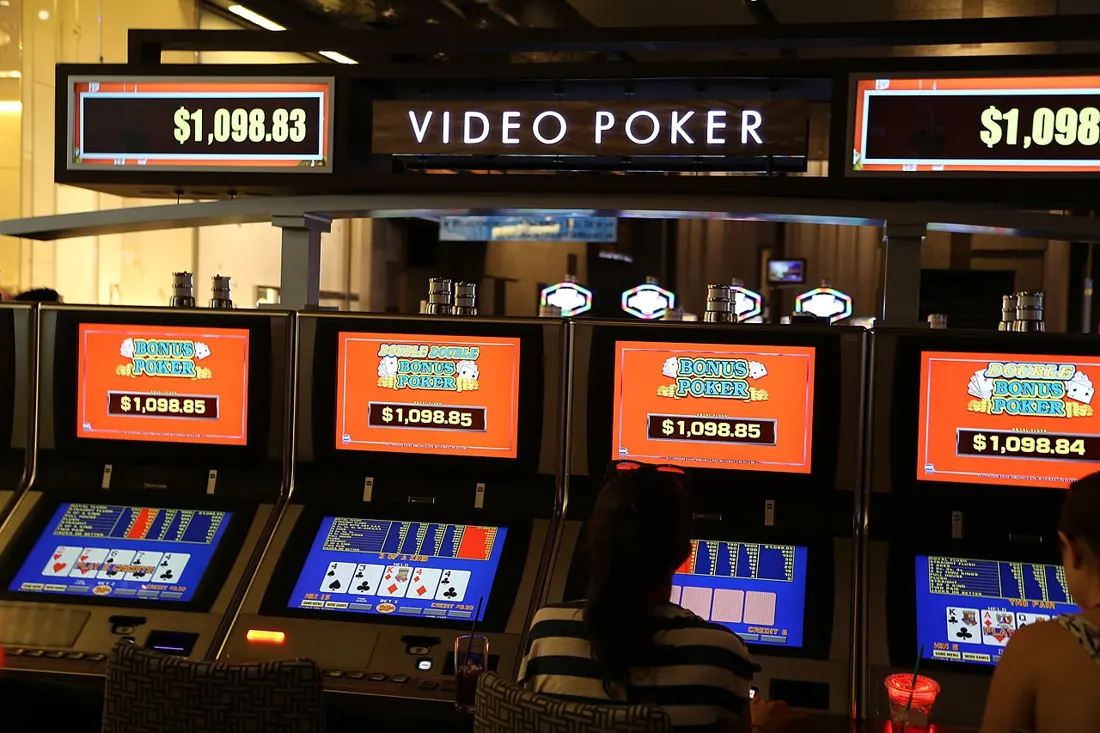
Fairness is a claim about how a game operates, not a reward for attractive design. The original Tangkas article discussed confidence in providers but offered broad assurances that this edition does not repeat.
Define the game being assessed
A name can cover different implementations, interfaces and payout tables. A meaningful description identifies the exact version and the entity responsible for operating it. Without that context, statements about a whole category being approved or expanding worldwide are too vague to verify.
Distinguish rules from reputation
Published rules explain the possible outcomes, costs and payouts. Independent testing concerns whether the software behaves as designed. An operator's payment and dispute handling is another question again. A positive impression in one area does not establish the others.
Understand variability
A fair result can still be a losing result, and an unusually favorable short session does not prove a service reliable. This updated archive entry makes no claim that a named game or provider is certified. It replaces the earlier promotional conclusion with a framework for understanding what evidence a fairness statement would need.